Why Commercial Waterproofing is Essential for Property Longevity
Have you ever walked into a commercial building and noticed that musty smell lingering in the air? Or perhaps you’ve spotted mysterious stains creeping across a ceiling? What if the very foundation of your property investment was slowly deteriorating right under your feet?
Water damage remains one of the most underestimated threats facing commercial property owners across Australia. While we often focus on visible maintenance tasks like painting and landscaping, the silent invasion of moisture can wreak havoc on your building’s structure, health standards, and ultimately, your bottom line. The truth is, water finds its way into every crack, joint, and vulnerable point it can exploit.
In this article, we’ll explore why commercial waterproofing melbourne isn’t just a nice-to-have—it’s absolutely critical for protecting your investment. You’ll discover the different types of waterproofing solutions available, learn to spot warning signs before they become disasters, and understand how proactive maintenance can save you thousands in the long run. Whether you own an office block, retail space, or industrial facility, this guide will help you make informed decisions about safeguarding your property’s future.
What is Commercial Waterproofing?
Understanding the Basics of Waterproofing Systems
Commercial waterproofing involves applying specialised materials and systems to prevent water from penetrating a building’s structure. Think of it as creating an invisible shield that keeps moisture where it belongs—outside your property.
These systems work by forming barriers across vulnerable surfaces like roofs, foundations, and walls. Modern waterproofing technologies have evolved significantly, offering everything from spray-applied membranes to sheet-based solutions that adapt to your building’s specific needs.
The goal isn’t just to stop visible leaks. Effective waterproofing addresses moisture vapour, groundwater pressure, and even humidity that can gradually compromise your building’s integrity.
How Does Waterproofing Differ for Commercial vs Residential Buildings?
Commercial properties present unique challenges that require more robust solutions. The sheer scale of these buildings means larger surface areas to protect and more complex structural systems to navigate.
Unlike residential homes, commercial buildings often feature flat roofs, extensive basement car parks, and high-traffic areas that demand industrial-strength materials. The stakes are higher too—a leak in a commercial property can affect multiple tenants, disrupt business operations, and create significant liability issues.
What’s more, commercial waterproofing must comply with strict Australian building codes and standards, requiring professional expertise and quality materials that meet regulatory requirements.
Why is Waterproofing Important for Commercial Buildings?
Protecting Your Investment from Water Damage
Your commercial property represents a substantial financial commitment. Waterproofing acts as insurance for that investment, preventing costly structural repairs down the track.
Water infiltration attacks buildings from multiple angles. It corrodes steel reinforcement, degrades concrete, rots timber, and destroys interior finishes. Without proper protection, even a well-built structure can deteriorate rapidly within just a few years.
By investing in quality waterproofing upfront, you’re essentially extending your building’s lifespan by decades while maintaining its market value.
The True Cost of Ignoring Water Intrusion
Many property owners underestimate the financial impact of untreated water damage. Emergency repairs often cost five to ten times more than preventative waterproofing would have.
Beyond immediate repair costs, consider the business interruption expenses, potential legal claims from affected tenants, and the hit to your property’s reputation. Insurance may not cover damage resulting from poor maintenance or deferred waterproofing work.
The bottom line? Addressing waterproofing proactively is always cheaper than dealing with the consequences of neglect.
Common Signs Your Commercial Property Needs Waterproofing
Visible Warning Signs You Shouldn’t Ignore
Keep an eye out for water stains on ceilings and walls—these brownish marks indicate moisture is finding its way inside. Peeling paint, bubbling render, and efflorescence (white salt deposits) on concrete surfaces all signal water problems.
Pooling water on flat roofs or around the building’s perimeter deserves immediate attention. Cracks in external walls, particularly around windows and door frames, create entry points for moisture.
Don’t overlook damp carpets, warped flooring, or condensation on windows. These seemingly minor issues often point to bigger waterproofing failures.
Hidden Damage: What’s Happening Behind the Walls?
The most dangerous water damage often occurs where you can’t see it. Moisture trapped within wall cavities promotes mould growth, timber decay, and steel corrosion long before any visible signs appear.
Regular inspections using moisture detection equipment can reveal hidden problems. Pay particular attention to areas below bathrooms, around plumbing penetrations, and at building envelope transitions.
Early detection through professional assessments can save you from discovering a small leak has become a major structural issue.
Types of Commercial Waterproofing Solutions
Membrane Waterproofing Systems
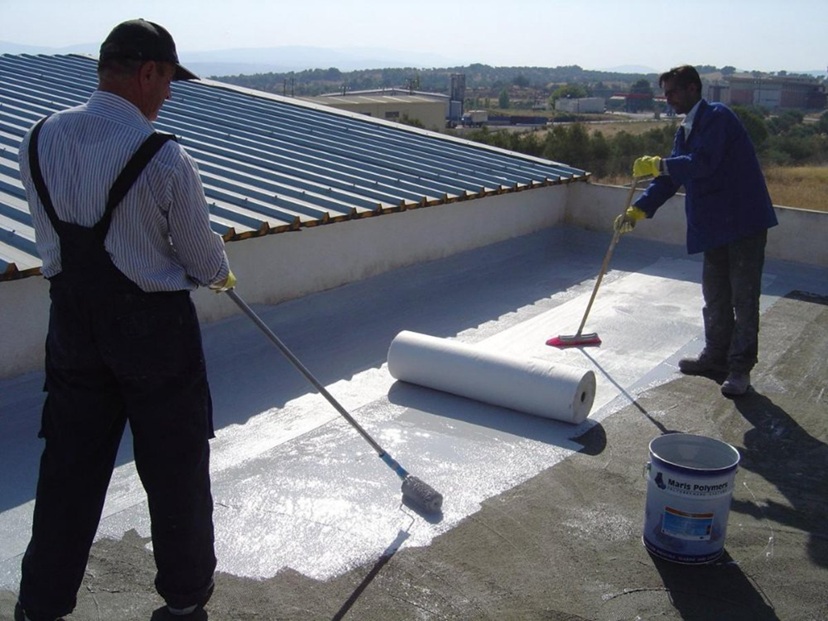
Sheet membranes remain popular for their reliability and durability. These pre-formed materials, typically made from modified bitumen or synthetic polymers, provide consistent thickness and proven performance.
Installation involves torching, adhering, or mechanically fastening sheets to prepared surfaces. They’re particularly effective for roofing applications and below-ground structures where long-term reliability is essential.
Liquid Applied Waterproofing
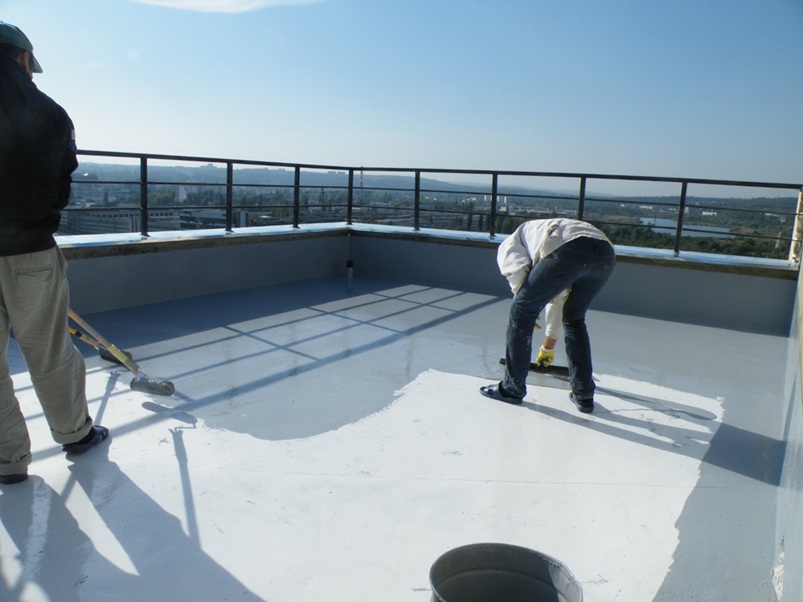
Liquid systems offer excellent flexibility for complex geometries and detailed work. Applied as a coating, they cure to form a seamless, jointless membrane that conforms perfectly to the substrate.
These products suit balconies, wet areas, and roofs with numerous penetrations. They’re also ideal for refurbishment projects where existing surfaces need upgrading.
Cementitious Waterproofing
Cementitious coatings blend cement with waterproofing additives to create a rigid, durable barrier. They’re commonly used in water tanks, basements, and areas requiring a hard-wearing finish.
While less flexible than membrane alternatives, cementitious systems excel in applications requiring abrasion resistance and straightforward maintenance.
Which Waterproofing Method is Best for Commercial Buildings?
The ideal solution depends on your specific circumstances. Consider factors like the area being treated, exposure conditions, expected movement, and budget constraints.
Most commercial projects benefit from combining different methods. A professional waterproofing contractor can assess your property and recommend the most effective approach for each application.
Key Areas That Require Waterproofing in Commercial Properties
Roofs and Terraces
Flat roofs dominate commercial architecture, making waterproofing absolutely critical. These surfaces collect water rather than shedding it, demanding robust membrane systems and proper drainage design.
Basements and Underground Car Parks
Below-ground structures face hydrostatic pressure from surrounding soil moisture. Tanking systems and drainage boards work together to keep these spaces dry and functional.
Bathrooms, Kitchens and Wet Areas
Any space with plumbing requires waterproofing to comply with Australian Standards. Failures in these areas cause disproportionate damage due to the frequency of water exposure.
Balconies and Podium Decks
These exposed elements face UV degradation, thermal movement, and constant weather exposure. High-quality membranes with appropriate drainage systems prevent leaks into spaces below.
How Does Water Damage Affect Building Longevity?
Structural Deterioration and Concrete Cancer
When water reaches steel reinforcement within concrete, it triggers corrosion that expands and cracks the surrounding material. This process, commonly called concrete cancer, can ultimately compromise structural safety.
Mould Growth and Health Hazards
Damp conditions create perfect environments for mould and mildew. Beyond property damage, these organisms pose serious health risks to building occupants, potentially triggering respiratory issues and allergic reactions.
Impact on Property Value and Tenant Retention
Buildings with water damage histories struggle to attract quality tenants and achieve premium rents. Reputation matters in commercial property, and a leaky building quickly becomes known in the market.
How Often Should Commercial Buildings Be Waterproofed?
Recommended Maintenance Schedules
Most waterproofing systems require inspection every one to two years. Plan for major maintenance or replacement every 10 to 15 years, depending on the system type and exposure conditions.
Factors That Influence Waterproofing Lifespan
Product quality, installation standards, building movement, and environmental exposure all affect durability. Regular maintenance significantly extends system life and catches problems early.
How Much Does Commercial Waterproofing Cost?
Understanding Pricing Factors
Costs vary dramatically based on system type, surface area, accessibility, and site conditions. Expect to invest more for complex installations or premium materials with extended warranties.
Long-Term Savings vs Upfront Investment
Quality waterproofing pays dividends through avoided repairs, maintained property value, and reduced insurance claims. The initial investment typically returns many times over throughout the building’s life.
Choosing the Right Commercial Waterproofing Contractor
What to Look for in a Professional Waterproofing Company
Seek contractors with specific commercial experience, appropriate licensing, and comprehensive insurance. Request references from similar projects and verify their track record.
Questions to Ask Before Hiring
Enquire about product warranties, installation guarantees, and ongoing maintenance support. Understanding their quality control processes and subcontractor management helps you assess reliability.
Securing Your Property’s Future Through Proactive Waterproofing
Commercial waterproofing isn’t simply a maintenance task—it’s a fundamental investment in your property’s long-term viability. Throughout this article, we’ve explored how water damage threatens structural integrity, occupant health, and property values when left unchecked.
The key takeaway? Prevention always costs less than cure. By understanding the warning signs, choosing appropriate waterproofing systems, and engaging qualified contractors, you can protect your investment for decades to come. Regular inspections and proactive maintenance keep small issues from becoming expensive disasters.
If you haven’t reviewed your commercial property’s waterproofing recently, now’s the time to take action. Reach out to a reputable waterproofing professional for an assessment, and give yourself peace of mind knowing your building is properly protected against Australia’s challenging climate. Your property—and your tenants—will thank you for it.