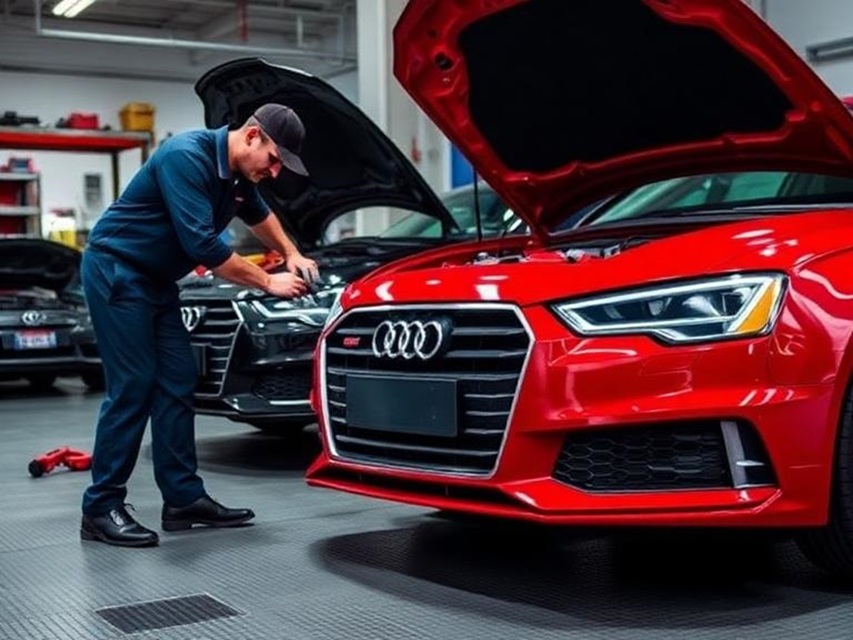
Understanding the Role of an Audi Mechanic: Essential Skills and Qualifications
Ever wondered what it really takes to work on one of the world’s most sophisticated car brands? Have you thought about whether your mechanical skills could translate into a rewarding career with luxury vehicles? Or perhaps you’re curious about what sets an Audi specialist apart from your everyday mechanic?
Working as an Audi mechanic isn’t just about changing oil and replacing brake pads. It’s a career that blends traditional hands-on expertise with cutting-edge technology. These German-engineered vehicles demand a unique combination of foundational mechanical skills and advanced diagnostic capabilities. From the intricate Quattro all-wheel-drive systems to the complex MMI infotainment setups, Audi vehicles present challenges that keep technicians on their toes every single day.
In this article, we’ll explore everything you need to know about becoming an Audi specialist in Australia. You’ll discover the basic mechanical skills required, the technical skills of a mechanic working on luxury vehicles, and the automotive certifications that can boost your career. We’ll also examine the automotive technician career path, discuss how much mechanics make in Australia, and help you decide if this profession is right for you. Whether you’re just starting out or looking to specialise, this guide has you covered.
Basic Mechanical Skills Every Audi Mechanic Needs
Mechanical Skills Examples in Daily Workshop Tasks
Every Audi mechanic needs a solid foundation of basic mechanical skills before tackling brand-specific systems. These include understanding engine components, transmission operations, and brake systems. Daily tasks might involve servicing suspension components, replacing timing belts, or diagnosing unusual noises.
Practical mechanical skills examples include reading technical diagrams, using hand tools correctly, and performing precise measurements. You’ll need to be comfortable with tasks like torque wrench applications, fluid changes, and component inspections. These fundamentals form the backbone of every repair job.
Why Foundational Knowledge Matters for Luxury Vehicles
Luxury vehicles like Audis are built with tighter tolerances and higher-quality components. This means even basic tasks require extra precision. A simple brake job on an Audi might involve electronic parking brake calibration, something you won’t encounter on most budget vehicles.
Your foundational knowledge also helps when troubleshooting. Understanding how systems interconnect allows you to trace problems to their source rather than just treating symptoms. This diagnostic thinking separates good mechanics from great ones.
Technical Skills of a Mechanic: Going Beyond the Basics
Diagnostic and Computer-Based Expertise
Modern Audis are essentially computers on wheels. The technical skills of a mechanic working on these vehicles must include proficiency with diagnostic software and scan tools. You’ll regularly connect to the vehicle’s onboard systems to read fault codes, perform adaptations, and program new components.
Understanding data streams and live readings is crucial. When a customer complains about poor performance, you might need to analyse fuel trim values, sensor readings, and communication protocols to pinpoint the issue.
Understanding Audi-Specific Technology and Systems
Audi vehicles feature proprietary technology that requires specialist knowledge. The Quattro drivetrain, for instance, operates differently depending on the model and generation. Virtual cockpit displays, matrix LED headlights, and adaptive air suspension all demand specific expertise.
Familiarity with Audi’s VCDS (VAG-COM Diagnostic System) or official ODIS software is essential. These tools allow access to manufacturer-level diagnostics that generic scan tools simply cannot provide.
Automotive Skills List: What Sets Audi Specialists Apart
A comprehensive automotive skills list for Audi specialists includes:
- Advanced electrical system diagnosis
- Air conditioning and climate control servicing
- Direct injection fuel system maintenance
- Turbocharger and supercharger repairs
- DSG and S-tronic transmission servicing
- Coding and programming modules
- Hybrid and electric vehicle safety protocols
These skills take years to develop fully. However, each new capability makes you more valuable in the workshop.
Essential Qualifications and Automotive Certifications
Trade Qualifications in Australia
In Australia, becoming a qualified mechanic requires completing a Certificate III in Light Vehicle Mechanical Technology. This typically involves a four-year apprenticeship combining on-the-job training with TAFE studies. It’s the minimum requirement to work independently as a mechanic.
Registration requirements vary by state. In Victoria, for example, mechanics must be licensed to perform certain safety-related work. Check your local regulations to make sure you’re compliant.
Manufacturer-Specific Training and Audi Certifications
Audi offers its own training programs through dealership networks. These automotive certifications cover everything from basic vehicle familiarisation to advanced diagnostic procedures. Completing these courses demonstrates your commitment to the brand.
Independent workshops often seek mechanics with manufacturer training. It gives customers confidence that their vehicle is in capable hands. Plus, it opens doors to higher-paying positions.
Ongoing Professional Development Requirements
The automotive industry evolves rapidly. Electric vehicles, advanced driver assistance systems, and new diagnostic technologies emerge constantly. Staying current requires ongoing professional development through courses, workshops, and self-study.
Many employers support continued learning by funding training or allowing time off for courses. Take advantage of these opportunities—they’re investments in your future earning potential.
The Automotive Technician Career Path: From Apprentice to Specialist
Starting Your Journey: Apprenticeships in Australia
The automotive technician career path typically begins with an apprenticeship. You’ll learn from experienced mechanics while earning a wage. It’s challenging work, but incredibly rewarding when you complete your first independent repair.
Finding a good employer matters. Look for workshops that invest in training and expose you to varied work. A dealership apprenticeship provides brand-specific experience, while independent workshops offer broader exposure.
Progressing to an Audi Specialist Role
After qualifying, you might work as a general mechanic for several years before specialising. Developing expertise with European vehicles, particularly German brands, positions you well for Audi specialist roles.
Consider seeking employment at an Audi dealership or a reputable independent European car specialist. These environments provide the concentrated experience needed to truly master these vehicles.
Career Advancement Opportunities
Experienced Audi mechanics can progress into workshop foreman or service manager positions. Some technicians eventually open their own specialist workshops. Others move into training roles, sharing their knowledge with the next generation.
The skills you develop are transferable too. Expertise with Audi translates well to other Volkswagen Group brands like Porsche, Bentley, and Lamborghini.
Working as a Mechanic: What to Expect Day-to-Day
Typical Workshop Environment and Responsibilities
Working as a mechanic involves early starts and physically demanding tasks. You’ll spend most of your day on your feet, often in awkward positions under vehicles. Workshop environments can be noisy, with exposure to chemicals and fumes.
Daily responsibilities include diagnosing customer concerns, performing repairs, and completing routine servicing. Documentation is important too—you’ll record your findings, parts used, and time spent on each job.
Challenges Unique to European Vehicle Specialists
European vehicle specialists face unique challenges. Parts can be expensive and sometimes difficult to source quickly. The complexity of these vehicles means diagnostic work often takes longer than anticipated.
Customer expectations are typically higher too. Audi owners invest significantly in their vehicles and expect exceptional service. Meeting these expectations requires both technical excellence and strong communication skills.
How Much Do Mechanics Make in Australia?
Average Salary Expectations for General Mechanics
So, how much do mechanics make in Australia? According to recent industry data, qualified general mechanics earn between $55,000 and $75,000 annually. Entry-level positions start around $50,000, while experienced technicians can reach $80,000 or more.
Location significantly impacts earnings. Metropolitan areas typically offer higher wages than regional centres, though living costs balance this somewhat.
Do Audi and Luxury Car Mechanics Earn More?
Specialists working on luxury brands often command premium wages. Audi mechanics with manufacturer training and significant experience can earn $80,000 to $100,000 annually. Dealership master technicians and diagnostic specialists sometimes exceed this.
The investment in additional training pays off through higher earning potential. It’s one of the best returns on education in the trades sector.
Factors That Influence Earning Potential
- Several factors affect your earning potential:
- Location and local market demand
- Level of qualifications and certifications
- Years of experience
- Employer type (dealership vs independent)
- Specialisation level
- Additional skills like hybrid/electric vehicle expertise
Building a reputation for quality work also matters. Mechanics who consistently deliver excellent results become highly sought after.
Soft Skills That Make a Great Audi Mechanic
Technical ability alone doesn’t make a great mechanic. Communication skills help you explain complex issues to customers in understandable terms. Problem-solving abilities allow you to tackle unusual faults systematically.
Attention to detail prevents costly mistakes and comebacks. Time management keeps your productivity high without sacrificing quality. Patience is essential when facing stubborn diagnostic challenges.
Finally, a genuine passion for cars makes the difference between a job and a career. The best Audi mechanics love what they do—and it shows in their work.
Conclusion: Is a Career as an Audi Mechanic Right for You?
We’ve covered significant ground in exploring what it takes to become an Audi specialist. From basic mechanical skills and technical expertise to qualifications, career progression, and earning potential, you now have a clear picture of this rewarding profession. The path requires dedication, continuous learning, and genuine passion for automotive excellence.
Working as an Audi mechanic offers a unique blend of traditional craftsmanship and modern technology. You’ll solve complex puzzles daily, work with sophisticated machinery, and help customers keep their prized vehicles running perfectly. The financial rewards, particularly for those who invest in specialist training and automotive certifications, make it one of the more lucrative trades available. If you’re interested in working with high-end European vehicles, exploring opportunities with an experienced Audi mechanic in Melbourne can also provide valuable insight into how specialists handle these advanced systems.
If you’re mechanically minded, enjoy problem-solving, and appreciate quality engineering, this career path could be perfect for you. The automotive technician career path offers clear progression opportunities, job security, and the satisfaction of mastering some of the world’s finest vehicles. Why not take the first step and explore apprenticeship opportunities in your area? Your future as an Audi specialist could be just around the corner.