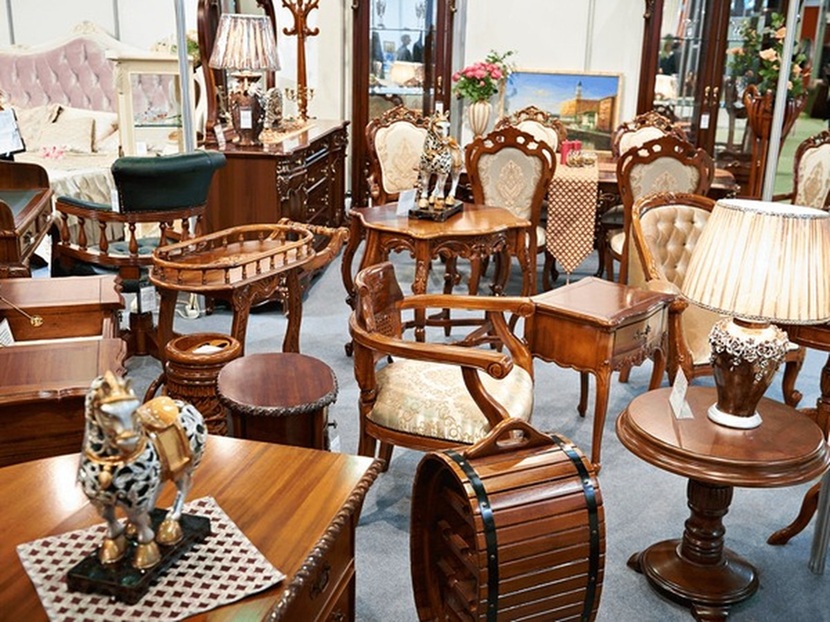
How to Choose the Perfect Antique Furniture Shop for Your Home
Have you ever walked into a room and felt instantly drawn to a beautiful old chest of drawers or a stunning Victorian armchair? Do you find yourself wondering what stories that gorgeous mahogany dining table might tell if it could speak? And let’s be honest—have you ever spotted an antique piece and thought, “That would look absolutely perfect in my living room,” only to second-guess yourself because you weren’t sure where to start?
You’re definitely not alone. Choosing antique furniture for your home can feel overwhelming at first. There’s so much to consider—authenticity, condition, price, and whether it’ll actually work with your existing décor. But here’s the thing: bringing antiques into your space is one of the most rewarding ways to add character, quality, and a touch of history to your home. Plus, you’re making a sustainable choice that’s better for the planet.
In this guide, we’ll walk you through everything you need to know about selecting the perfect mid century modern furniture melbourne. From understanding what actually qualifies as antique to spotting quality craftsmanship, finding the best places to buy, and caring for your treasures once they’re home—we’ve got you covered. By the end, you’ll feel confident navigating antique shops, auctions, and online marketplaces like a seasoned collector.
What Defines Antique Furniture?
Before you start shopping, it helps to understand exactly what you’re looking for. The term “antique” gets thrown around pretty loosely these days, but there’s actually a specific definition.
Antique vs Vintage vs Retro: Understanding the Differences
These terms often get mixed up, but they mean different things. Antique furniture is generally considered to be at least 100 years old. Vintage pieces are typically between 20 and 100 years old, while retro refers to items that mimic styles from the recent past—usually the 1950s through 1980s—but aren’t necessarily old themselves.
So that mid-century modern sideboard from the 1960s? That’s vintage. Your great-grandmother’s Edwardian writing desk from 1910? That’s a genuine antique. Knowing the difference helps you set realistic expectations about price, rarity, and investment potential.
How Old Does Furniture Need to Be to Be Considered Antique?
The 100-year rule is widely accepted across Australia and internationally. This means pieces made in the 1920s or earlier now qualify as antiques. However, some dealers and collectors apply slightly different standards depending on the item’s rarity, craftsmanship, or historical significance.
Benefits of Buying Antique Furniture for Your Home
Why choose antique over brand-new furniture? There are several compelling reasons worth considering.
Quality Craftsmanship That Lasts Generations
Antique furniture was built to last. Craftsmen used solid hardwoods, hand-cut joinery, and techniques refined over centuries. Unlike many mass-produced pieces today, antiques have already proven their durability—they’ve survived a hundred years or more, after all.
Sustainable and Eco-Friendly Choice
Buying antique is one of the greenest furniture choices you can make. You’re giving new life to existing pieces rather than contributing to manufacturing demand. No new trees are felled, no factories are running, and nothing ends up in landfill.
Investment Value: Do Antiques Appreciate Over Time?
While not every antique will increase in value, quality pieces from sought-after periods often do appreciate. Unlike flat-pack furniture that depreciates the moment you assemble it, well-maintained antiques can hold or grow their value over decades.
How to Identify Quality Antique Furniture
Learning to spot genuine quality separates savvy buyers from those who overpay for inferior pieces. Here’s what to look for.
Examining Construction and Joinery Techniques
Check the joints carefully. Authentic antiques typically feature dovetail joints, mortise and tenon construction, or hand-cut details. Machine-made joints with perfectly uniform cuts suggest a newer piece or reproduction. Turn chairs upside down, pull out drawers, and examine backs—these areas reveal construction secrets.
Recognising Authentic Materials and Finishes
Genuine antiques use solid wood throughout, not veneers over particleboard. Look for natural wear patterns, slight warping, and patina that develops over time. Original finishes often show gentle crazing or fading that’s difficult to replicate artificially.
Spotting Reproductions and Fakes
Reproductions aren’t necessarily bad—many are beautifully made. But you shouldn’t pay antique prices for them. Watch for artificially distressed surfaces, modern screws or nails, and finishes that look too perfect. When in doubt, ask questions and request provenance documentation.
Is It Worth Buying Antique Furniture That Needs Restoration?
Sometimes a piece needing work offers excellent value. Minor repairs and refinishing can be worthwhile investments. However, extensive restoration can be costly and may actually decrease value for serious collectors. Consider your budget and intentions before committing.
Matching Antique Pieces to Your Home’s Style
You don’t need a period-perfect home to incorporate antiques beautifully. In fact, mixing old with new creates some of the most interesting interiors.
Blending Antiques with Modern Interiors
Contrast is your friend here. A ornate Georgian mirror looks stunning against a minimalist white wall. An antique farmhouse table paired with contemporary chairs creates instant visual interest. Don’t be afraid to experiment—antiques add warmth and soul to even the sleekest modern spaces.
Creating a Cohesive Look Across Different Rooms
You don’t need matching sets throughout your home. Instead, focus on consistent elements like wood tones, scale, or era. A Victorian hallway stand, Edwardian bedroom suite, and Georgian dining chairs can coexist harmoniously when chosen thoughtfully.
What Antique Furniture Styles Are Most Popular Right Now?
Currently, Australian buyers gravitate toward Georgian and Regency elegance, rustic French provincial pieces, and simple Arts and Crafts designs. Mid-century modern remains hugely popular too, though technically vintage rather than antique.
Where to Buy Antique Furniture in Australia
Finding quality antiques requires knowing where to look. Each buying avenue offers different advantages.
Antique Shops and Dealers
Established dealers provide expertise, authenticity guarantees, and often restoration services. Cities like Melbourne, Sydney, and Adelaide boast excellent antique districts worth exploring. Build relationships with reputable dealers—they’ll alert you when pieces matching your interests arrive.
Auctions and Estate Sales
Auctions can yield incredible bargains, particularly for buyers willing to research beforehand. Estate sales offer opportunities to purchase directly from families, sometimes with fascinating provenance. Check local auction houses and keep an eye on weekend estate sale listings.
Online Marketplaces: What to Watch Out For
Platforms like eBay, Gumtree, and Facebook Marketplace expand your options enormously. However, buying online carries risks. Always request multiple detailed photographs, ask specific questions about condition and provenance, and factor in delivery costs. If possible, inspect pieces personally before purchasing.
How Much Should You Pay for Antique Furniture?
Pricing antiques can feel like navigating a maze. Understanding what drives values helps you make informed decisions.
Factors That Affect Antique Furniture Prices
Age, rarity, condition, provenance, and current demand all influence pricing. A signed piece by a renowned maker commands premium price. Damage, repairs, and modifications typically reduce value. Market trends also play a role—what’s fashionable today may differ from five years ago.
How to Negotiate When Buying Antiques
Most dealers expect some negotiation. Research comparable pieces beforehand so you understand fair market value. Be polite but confident. Asking “Is there any flexibility on the price?” opens discussion without causing offence. Cash payments sometimes secure additional discounts.
Are Antiques Cheaper Than New Furniture?
Surprisingly often, yes. A solid antique dining table might cost less than a comparable new designer piece—and it’ll likely outlast it too. When you factor in quality, longevity, and potential appreciation, antiques frequently represent better value.
Caring for Your Antique Furniture
Proper care protects your investment and preserves pieces for future generations.
Cleaning and Maintenance Tips
Dust regularly with soft cloths. Avoid harsh chemical cleaners that strip original finishes. Use quality beeswax polish sparingly—once or twice yearly suffices. Keep antiques away from direct sunlight and heating vents to prevent fading and drying.
When to Restore and When to Leave As Is
Original patina adds character and value. Before refinishing anything, consult a specialist. Sometimes gentle cleaning reveals hidden beauty without stripping history away. Structural repairs are usually worthwhile; cosmetic changes require more careful consideration.
Common Mistakes to Avoid When Buying Antique Furniture
New collectors often rush purchases, skip thorough inspections, or prioritise aesthetics over condition. Avoid buying under pressure—genuine antiques aren’t going anywhere. Always examine pieces personally when possible, and never pay antique prices without confidence in authenticity.
Conclusion: Finding Your Perfect Piece
Choosing antique furniture for your home is a journey worth taking. You’ve learned how to identify genuine antiques, assess quality, find reputable sellers, and care for your treasures properly. Armed with this knowledge, you’re ready to start building a collection that reflects your taste while standing the test of time.
The beauty of antiques lies not just in their craftsmanship but in their stories. Every scratch, every worn edge represents decades of family gatherings, quiet evenings, and daily life. When you bring an antique into your home, you’re continuing that story—adding your own chapter to its history.
So go ahead—visit that antique shop you’ve been curious about, attend a local auction, or browse online marketplaces with fresh confidence. Your perfect piece is out there waiting for you. Trust your instincts, take your time, and enjoy the hunt. After all, finding the right antique is half the fun.