The Key Benefits of Integrating the Best Time Attendance Systems
In our rapidly evolving digital world, work operations have undergone tremendous transformations. Fundamental amongst these is the transition from traditional to modern time attendance systems. Previously, organizations were under the yoke of labour-intensive, manual entries or paper-based methods that were prone to errors and time wastage. Best time attendance system leverage technology to automate, simplify, and drive efficiency in workforce management.
Unfortunately, several companies still grapple with the effective management of their workforce due to the lack of efficient attendance systems. The challenges they face include inaccurate timekeeping, administrative overload, insufficient data for performance evaluations, and time theft. In this article, we unravel how best time attendance system have become an indispensable tool for contemporary businesses aspiring to maximize their operational efficiency.
Necessity of Time Attendance System
Time attendance systems have proven to be an indispensable tool in organizations, instrumental in driving efficiency while also enhancing security. Effective employee management lies at the heart of any successful business, and a comprehensive, robust attendance system is the key to achieving this. By accurately tracking employee times, organizations can manage their human resources better, resulting in improved productivity and optimal utilization of time.
Furthermore, a top-notch best time attendance system guarantees payroll accuracy. The traditional methods of timekeeping were fraught with errors due to human intervention, leading to potential disagreements and dissatisfied employees. An automated attendance system eradicates these discrepancies, ensuring that employees are compensated precisely for their work hours. Additionally, it elevates company security by preventing unauthorized access and ensuring compliance with labor laws and standards.
Understanding Modern Time Attendance System
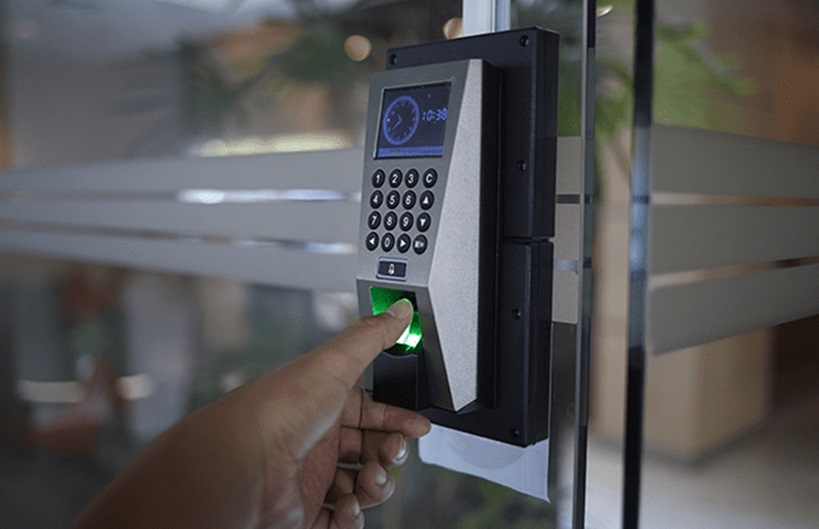
Best time attendance system are a blend of sophisticated technologies and practical functionalities. They are designed to seamlessly integrate into the business structure, thereby streamlining various processes like employee attendance management, payroll processing, and secure access control. These systems use various identification methods such as biometrics, pin codes, or smart cards to accurately track and record employee times.
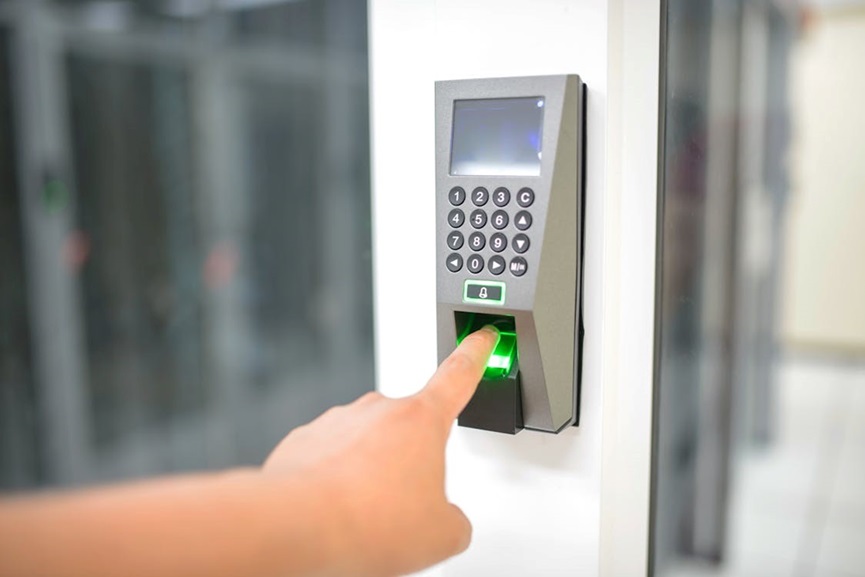
Best time attendance system communicate with other systems within an organization like payroll, human resources, or security systems, creating an integrated, functional ecosystem. They offer a centralized management system that can be accessed from multiple devices, providing real-time insights and making remote working viable. The digital records generated can also be used for analysis, leading to better decision making.
Key Benefits of Integrated Best Time Attendance System
Fostering Accuracy and Accountability
The inherent automation in best time attendance systems cuts off the room for errors associated with manual timekeeping—essentially removing the chances of buddy-punching and time-card manipulation. It fosters a culture of accountability among employees as they become responsible for their time and productivity. With accurate information at their disposal, management can also make more informed decisions.
Streamlining Payroll and Compliance
A robust attendance system makes payroll processing a breeze. The time data is automatically transferred to the payroll system, eliminating the need for duplicate data entry and reducing payroll errors. Additionally, an integrated attendance system can help businesses comply with various labor laws, reducing the chances of legal issues or penalties.
Enhancing Security and Protecting Data
By using various authentication modes like biometrics, these systems ensure that only authorized personnel can access the premises, thereby enhancing office security. These systems also protect sensitive employee data by using encryption and other advanced security features.
Boosting Productivity and Employee Satisfaction
Automatic time tracking can eliminate time theft and ensure that employees are paid accurately for their time, leading to increased staff morale. Greater transparency in processes can foster a more equitable work environment, which can in turn boost productivity.
Choosing the Right Time Attendance System
There are various factors to consider when choosing a time attendance system for your organisation. You need to assess your industry-specific needs, the size of your company, and the number of employees. One must also consider the ease of use and installation, integration capability with existing systems, and after-sale services.
Implementing Time Attendance Systems
The process of implementing a best time attendance system begins with installation. This can range from installing a desktop application to setting up biometric devices across several locations. Post-installation, thorough staff training is vital to ensure that everyone in the organization can efficiently use the system. During the transition phase, it’s crucial to have an effective change management strategy to ease the shift from old processes to new ones.
Case Study: A Success Story
An example of successful implementation is the case of an Australian company, ‘Green Logistics.’ They made a switch from a traditional paper-based system to an automated attendance system. Post-implementation, they saw a significant reduction in time theft and payroll discrepancies. The new system also allowed them to better comply with labor laws, thereby reducing any legal risks. Green Logistics demonstrated that a well-chosen and well-implemented time attendance system could revolutionize a company’s operations.
Conclusion
In summary, an effective and efficient time attendance system forms the backbone of any successful organization. It fosters accuracy and accountability, streamlines payroll and compliance efforts, enhances security and data protection, and boosts productivity and employee satisfaction. Choosing a high-quality system should not be seen as a cost but rather a significant business investment that pays dividends in the long term.