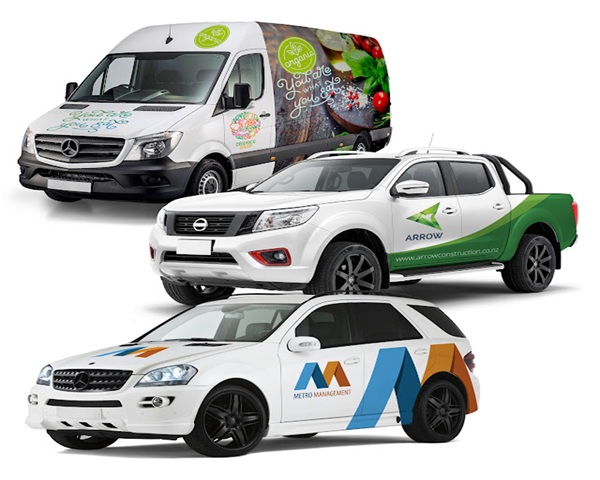
Boost Your Melbourne Business With Effective Vehicle Signage Strategies
Vehicle signage boosts brand awareness on Melbourne’s busy streets and gives a mobile billboard effect that reaches commuters in the CBD suburbs and along the tram routes. From what I’ve seen the most successful small‑business owners treat their fleet like a walking advertisement and plan every graphic to match local weather patterns. In my experience a well‑designed wrap can survive the summer UV at & the winter chill without fading. Look the article will cover regulations material choices design tips roi calculations installation steps maintenance plans emerging tech and sustainability options.
- Regulatory compliance for Victorian roads
- Material performance in coastal and inland suburbs
- Design principles for high‑speed visibility
- Measuring impressions and lead generation
- Installation best practices and safety
- Maintenance schedules for UV and salt exposure
- QR, NFC and AR integration for interactive campaigns
- Eco‑friendly wrap options and end‑of‑life recycling
Vehicle Signage Regulations In Melbourne
Vehicle signage must comply with Victorian road sign standards and the Australian Advertising Standards Bureau. The thing is that non‑compliant graphics can attract fines from the VicRoads enforcement team and damage a brand’s reputation. From the perspective of a local business, the most common breach is using reflective vinyl that exceeds the allowed luminance at night. Vehicle signage improves local recall for commuters when the design respects the 30‑percent contrast rule for high‑speed visibility.
- Maximum reflectivity: 30 candela per square metre
- Required clearance around licence plates and registration stickers
- Prohibited content: misleading claims, offensive imagery, unapproved sponsor logos
- Mandatory display of Australian Business Number (ABN) on commercial trucks
In my experience many Melbourne operators overlook the need for a separate approval for fleet graphics that span multiple vehicle types… The compliance checklist includes checking the size of lettering on delivery vans & making sure the graphics do not obscure safety lights. Vehicle signage supports brand consistency across the city when each vehicle follows the same approved layout.
Choosing The Right Materials For Melbourne’s Climate…
Vehicle signage material selection should reflect the UV intensity of summer, the occasional coastal salt spray, and the occasional bushfire ash that settles on windshields. From what I’ve seen, cast‑vinyl with a UV‑blocking laminate lasts the longest on city‑centre trucks that sit in sun‑baked car parks. Vehicle signage improves durability when a mesh‑backed film is used on high‑heat areas such as the roof of a refrigerated van.
- Cast vinyl – high‑gloss finish, 5‑year warranty, excellent colour retention
- Mesh vinyl – breathable, reduces wind‑lift on large trucks & trailers
- Eco‑friendly biodegradable film – compostable after removal, lower carbon footprint
- Carbon‑fiber infused wrap – lightweight high‑strength for performance vehicles
In my experience a local supplier in Richmond offers a printable eco‑film that meets Australian Standards for VOC emissions. Vehicle signage can be printed with water‑based inks that reduce environmental impact without sacrificing vibrancy. Right material choice also influences the cost per impression when calculating roi for a fleet of ten vans.
Designing For High Visibility And Legibility
Vehicle signage must be legible at 60 km/h on the Monash Freeway and at 30 km/h on inner‑city streets. From what I’ve seen, high‑contrast colour combos such as navy blue on white or bright orange on black meet the Australian contrast ratio of 4.5 : 1 for safety. Here’s the thing: vehicle signage improves brand recall when the logo is placed within the driver’s line of sight and the text uses a sans‑serif font at a minimum of 150 mm height on a standard van.
- Font size: at least 150 mm for primary brand name on a 2‑tonne truck
- Colour contrast: meet the 4.5 : 1 ratio for legibility
- Placement: avoid covering mirrors, windscreen wipers, or safety markings
- Graphics: use simple icons and short taglines to convey message in 3 seconds
In my experience designers who incorporate reflective strips on the lower edge of a wrap gain extra night‑time visibility without violating regulations. Vehicle signage helps attract attention in the evenings when the city lights dim the background. Colour psychology shows that teal and green evoke trust for local service providers, while red and yellow drive urgency for promotions.
Roi And Measurement For Vehicle Signage Campaigns
Vehicle signage can be measured by estimating the number of impressions per kilometre travelled and the average dwell time of commuters. From what I’ve seen, a typical delivery van in the southeast suburbs generates roughly 1,200 impressions per day on busy routes such as the Dandenong Road corridor. Vehicle signage improves lead generation when a QR code is placed at eye level and linked to a landing page that tracks clicks.
- Impression estimate: vehicle km travelled × 0.5 impressions per metre
- Cost per impression: total campaign spend ÷ total impressions
- Lead capture: QR code, NFC tag, or short URL on the side panel
- Analytics: use Google Analytics UTM parameters to attribute traffic
In my experience integrating NFC stickers on the rear bumper of a service truck enables a tap‑to‑call feature that reduces friction for after‑hours enquiries. Vehicle signage supports measurable ROI when the campaign is tied to a seasonal promotion such as a summer discount for Melbourne’s coastal suburbs.
Installation, Maintenance, And Longevity
Vehicle signage installation should be performed in a controlled environment to avoid dust & temperature fluctuations. From what I’ve seen, professional installers in Fitzroy use a 12‑hour curing period for high‑gloss vinyl before the vehicle returns to service. Vehicle signage improves longevity when a mild detergent and a soft microfiber cloth are used for routine cleaning.
- Tools: squeegee, heat gun, utility knife, and clean lint‑free cloth
- Safety: wear gloves, ensure proper ventilation, and protect surrounding surfaces
- Maintenance schedule: wash every 2 weeks, re‑coat reflective strips every 12 months
- Repair: patch small tears with matching vinyl within 48 hours to avoid spreading
In my experience a coastal suburb like St Kilda demands a more frequent wash schedule because sea spray accelerates salt corrosion on metal surfaces. Signage stays vibrant when a uv‑protective spray is applied quarterly. The installation workflow also includes checking that the graphics do not interfere with the vehicle’s sensors, especially on newer electric models.
Specialized Vehicle Types And Emerging Trends
Vehicle signage for electric‑vehicle (EV) fleets requires clear space around charging ports and battery compartments, and from what I’ve seen, a Melbourne rideshare driver using a Tesla Model 3 can place a low‑profile graphic on the roof without blocking solar panel heat. Vehicle signage improves brand exposure for EV fleets when the design incorporates green motifs that align with sustainability messaging.
- EV considerations: avoid covering charging port, keep graphics below 2 mm thickness
- Boats: use marine‑grade vinyl that resists water ingress and UV
- Trailers: apply mesh wrap on the sides to reduce wind‑lift during highway travel
- Motorbike graphics: use flexible, thin vinyl that conforms to curved surfaces
In my experience a local brewery in Footscray used a wrap on a delivery trailer that featured a QR code linking to a limited‑edition brew list, driving a 20 % increase in on‑site sales during the launch week. Vehicle signage supports cross‑platform marketing when the graphic includes a hashtag that trends on Instagram during local events such as the Melbourne Cup.
Legal, Ethical, And Sustainability Considerations
Vehicle signage must respect intellectual property rights & avoid unauthorized use of trademarks… From what I’ve seen, a small café in Collingwood received a cease‑&‑desist letter after using a logo that resembled a well‑known coffee chain. Vehicle signage improves brand credibility when all imagery is original or properly licensed.
- Legal: verify ownership of all graphics, fonts, & stock images
- Ethical: avoid deceptive claims such as “guaranteed results” without evidence
- Sustainability: choose wraps made from recycled PVC or biodegradable polymers
- Disposal: partner with a recycling facility that accepts vinyl scrap for repurposing
In my experience a Melbourne logistics company reduced its environmental impact by switching to a recyclable wrap that can be reclaimed after the vehicle’s service life. Vehicle signage aligns with corporate social responsibility goals when the material choice is highlighted in marketing materials. The end‑of‑life plan also includes a full removal service that leaves the vehicle’s paint in factory condition.
Conclusion
Vehicle signage offers Melbourne businesses a cost‑effective way to reach thousands of potential customers each day while reinforcing brand identity across the city’s diverse neighbourhoods. By following local regulations, selecting the right material, designing for high‑speed legibility, measuring ROI, & maintaining the graphics, you can maximize the impact of every vehicle on the road. Integrating QR codes, NFC tags, and eco‑friendly wraps adds a modern touch that resonates with today’s environmentally conscious consumers. For a comprehensive guide that walks you through each step, see the detailed vehicle signage resource.