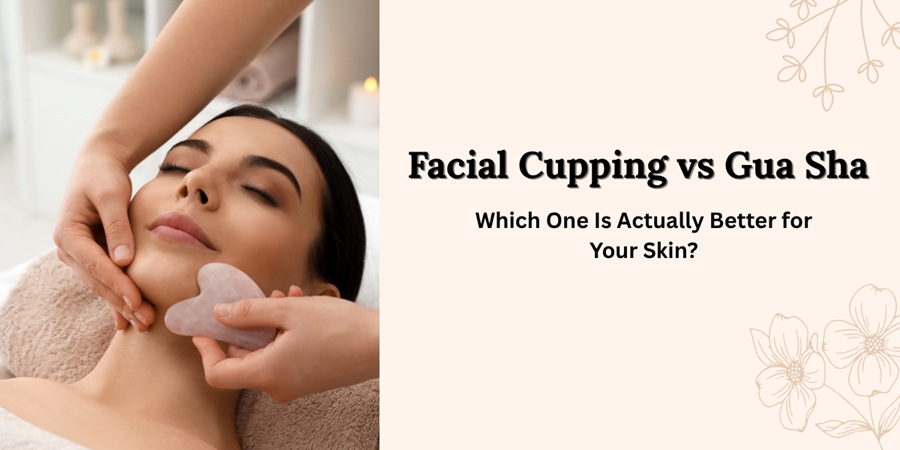
Facial Cupping vs Gua Sha: Which One Is Actually Better for Your Skin?
Facial cupping and gua sha have become increasingly popular in skincare routines. Gua sha and facial cupping top the list, promising less puffiness, better circulation, and a more defined face. Still, lots of folks aren’t sure which option suits their skin best. One of the reasons facial cupping has gained popularity is its ability to temporarily boost circulation, which can leave the skin looking brighter, more energized, and visibly refreshed
The thing is, these practices work in distinct ways. Knowing those differences can guide you toward the right choice for your specific skincare needs or wellness goals. Whether you want to look glowing, ease tension in your face, or combine it with a TMJ massage near you for more targeted relief.
What Is Facial Cupping?
Facial cupping uses small silicone cups to create gentle suction on the skin. Unlike traditional body cupping, where cups are often left in one place for a period of time, facial cupping involves gently moving the cups across the skin in continuous motions. The suction significantly supports circulation and promotes lymphatic drainage, which further helps in reducing puffiness and brings a refreshing look on the face.
Some of the most commonly reported benefits include:
- Improved blood flow to the skin
- Reduced facial puffiness
- A temporary lifting effect
- Enhanced skin radiance
- Support for lymphatic drainage
The suction increases blood flow to the skin’s surface, which is why many people notice a brighter, more refreshed look right after.
What Is Gua Sha?
Gua sha is a traditional method using a smooth stone tool moved lightly over the face with oil. It’s gained popularity because it helps relieve muscle tension and boosts circulation and lymphatic flow.
Unlike facial cupping’s focus on suction, gua sha targets facial muscles and tissues with pressure. So, it’s a different technique but still aims to improve skin health in a natural way.
Common benefits of gua sha include:
- Reduced facial tension
- Improved lymphatic drainage
- Less puffiness
- Enhanced facial definition
- A calming self-care experience
Gua sha is known to be quite potent for areas around the jawline, temples, and neck, as these are the target areas where tension gets built up more prominently.
How Do Facial Cupping and Gua Sha Differ?
Although both techniques aim to improve circulation and reduce puffiness, they achieve these results in different ways.
Facial Cupping Focuses on Stimulation
The cups create a gentle suction which helps in enhancing the blood flow and uplifts your skin. This makes facial cupping particularly appealing for people looking to brighten dull-looking skin or achieve a refreshed appearance.
Gua Sha Focuses on Tension Release
Gua sha eases facial muscle tension by applying controlled pressure. It’s popular for tight jaws, temples, foreheads, and necks. Since facial tension can affect comfort and how you look, relieving these muscles makes your face seem more relaxed and balanced.
Which Technique Is Better for Jaw Tension?
Gua sha can be particularly beneficial for people who experience jaw clenching, teeth grinding, or facial tightness. The technique allows you to apply gentle pressure along the jawline and surrounding muscles, helping to release built-up tension and improve comfort.
However, facial tools may only address part of the issue. Jaw discomfort is often connected to tension patterns involving the neck, shoulders, and temporomandibular joint (TMJ).
For persistent symptoms, a professional TMJ massage may provide more targeted relief by addressing the deeper muscular imbalances that contribute to jaw tension rather than focusing solely on the area where discomfort is felt.
This is why many people combine facial self-care practices with professional bodywork as part of a more comprehensive approach to managing tension and supporting overall well-being. If jaw discomfort is ongoing, searching for a TMJ massage near me and booking it is a good next step.
Which One Is Better for Puffiness and Glow?
If reducing puffiness is your primary goal, both methods can be effective.
Facial cupping may deliver faster visible results because the suction stimulates circulation and encourages fluid movement. Many users report a noticeable glow immediately after treatment.
Gua sha can also reduce puffiness, particularly when practiced consistently. Its gentle strokes support lymphatic drainage and can help define facial contours over time.
The choice often comes down to personal preference. Some people enjoy the energizing sensation of facial cupping, while others prefer the slower, more meditative experience of gua sha.
Can Facial Cupping and Gua Sha Be Used Together?
Yes. In fact, many skincare and wellness professionals combine both techniques.
A common approach includes:
- Using gua sha first to release tension and encourage lymphatic drainage
- Following with facial cupping to stimulate circulation and create a lifting effect
This combination can provide the benefits of both techniques while creating a deeply relaxing ritual.
For even greater relaxation, some individuals pair facial treatments with a relaxing massage to help reduce stress throughout the entire body. Since stress often contributes to muscle tension and facial tightness, a whole-body approach can support both wellness and appearance.
Who Should Be Careful with These Techniques?
Although generally considered safe when performed correctly, facial cupping and gua sha are not suitable for everyone.
Extra caution may be needed if you have:
- Active acne breakouts
- Rosacea flare-ups
- Extremely sensitive skin
- Recent cosmetic procedures
- Skin irritation or inflammation
Using excessive pressure or suction can lead to irritation, so gentle technique is always recommended.
Conclusion
When comparing facial cupping vs gua sha, there is no universal winner. Facial cupping is often preferred for boosting circulation, reducing puffiness, and creating a temporary lifting effect, while gua sha excels at releasing facial tension and supporting lymphatic drainage. The best choice depends on your skin concerns, wellness goals, and personal preferences. Whether you choose facial cupping, gua sha, TMJ massage, or a relaxing massage, a consistent and mindful approach to self-care can help support both your wellness goals and overall well-being.