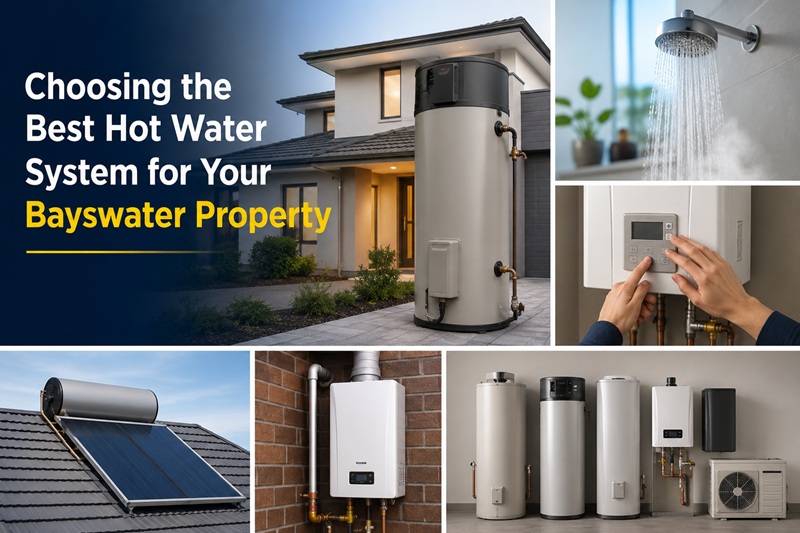
Choosing the Best Hot Water System for Your Bayswater Property
Ever stepped into a freezing cold shower on a winter morning? Or perhaps you’ve watched your energy bills climb higher each quarter and wondered if your hot water system is the culprit? If you’re a Bayswater homeowner, you’ve probably asked yourself: what’s the best hot water system for my property?
Selecting the right hot water system isn’t just about comfort—though let’s be honest, that matters quite a bit. It’s also about efficiency, running costs, and finding a solution that suits your specific property type. Whether you’re living in a cosy apartment, a family home, or a charming heritage property, the hot water system you choose can make a real difference to your daily life and your wallet.
In this guide, we’ll walk you through everything you need to know about hot water systems available in Bayswater. From understanding the basics to comparing different types, exploring installation costs, and figuring out which system works best for your situation—we’ve got you covered. By the end, you’ll have all the information you need to make a confident, informed decision.
Understanding Hot Water Systems: The Basics
How Do Hot Water Systems Work?
At their core, hot water systems heat water and deliver it to your taps when you need it. Simple enough, right? But the way they achieve this varies quite a bit depending on the type of system.
Storage systems heat water and keep it in an insulated tank, ready for use whenever you turn on the tap. Instantaneous systems, on the other hand, heat water on demand—only when you actually need it. Each approach has its advantages, which we’ll explore shortly.
The energy source also plays a crucial role. Electric systems use heating elements, gas systems burn natural gas or LPG, solar systems harness sunlight, and heat pumps extract warmth from the surrounding air. Understanding these differences helps you narrow down your options.
What Size Hot Water System Do I Need for My Home?
Size matters when it comes to hot water systems. Too small, and you’ll run out of hot water mid-shower. Too large, and you’re paying to heat water you’ll never use.
As a general rule, a household of 1-2 people typically needs around 125-160 litres of storage capacity. For 3-4 people, you’re looking at 250-315 litres. Larger families of 5 or more should consider 315-400 litres. These figures can vary based on your usage habits, though.
Consider how your household uses hot water. Do you have teenagers who take marathon showers? Do you run the dishwasher and washing machine frequently? Factor in these habits when determining the right size for your Bayswater home.
Types of Hot Water Systems Available in Bayswater
Electric Hot Water Systems
Electric systems are among the most common choices for Bayswater properties. They’re relatively affordable to purchase and install, making them attractive for budget-conscious homeowners.
However, running costs can add up, particularly if you’re on a standard electricity tariff. Many homeowners opt for off-peak tariffs, which heat water during cheaper overnight periods. The downside? You might run short if your household uses more hot water than expected during the day.
Electric systems work well in apartments and smaller homes where gas connections aren’t available. They’re also straightforward to maintain and repair.
Gas Hot Water Systems
Gas hot water service are popular across Bayswater, especially in areas with natural gas connections. They typically offer lower running costs compared to standard electric systems and heat water quickly.
You can choose between storage and instantaneous gas systems. Storage units keep hot water ready in a tank, while instantaneous models heat water as it flows through—meaning you’ll never run out during a long shower.
Keep in mind that installation requires proper ventilation and gas fitting by a licensed professional. If your property doesn’t have a gas connection, you’d need to factor in connection costs or consider LPG bottles as an alternative.
Solar Hot Water Systems
Solar hot water systems are an excellent choice for environmentally conscious Bayswater homeowners. They use rooftop panels to capture sunlight and heat water, significantly reducing your energy bills.
These systems do require a backup element—usually electric or gas—for cloudy days and high-demand periods. The upfront cost is higher than conventional systems, but Victorian rebates can help offset this expense considerably.
Solar systems work best on north-facing roofs with minimal shading. If your property ticks these boxes, you could see substantial long-term savings while reducing your carbon footprint.
Heat Pump Hot Water Systems
Heat pumps are gaining popularity in Bayswater, and for good reason. They work like a reverse refrigerator, extracting heat from the surrounding air to warm your water. This makes them remarkably efficient—using up to 65% less electricity than traditional electric systems.
They do require outdoor installation and produce some noise during operation, so placement matters. Most modern units are designed to operate quietly, but it’s worth checking specifications if you have close neighbours.
Heat pumps qualify for Victorian government rebates, making them more affordable than their upfront cost suggests. They’re particularly well-suited to Bayswater’s temperate climate.
Instantaneous vs Storage Hot Water Systems: Which Is Better?
This is one of the most common questions homeowners ask. The honest answer? It depends on your circumstances.
Instantaneous systems take up less space and only heat water when you need it, meaning no standby energy losses. They’re brilliant for smaller households or properties with limited space. However, they may struggle to supply multiple outlets simultaneously.
Storage systems provide a ready supply of hot water and can handle higher demand periods better. They do lose some heat through the tank walls, but modern insulation has minimised this significantly. For larger families, storage systems often make more sense.
What Is the Most Efficient Hot Water System in Australia?
Energy Efficiency Ratings Explained
When shopping for hot water systems, you’ll notice energy star ratings on many products. More stars mean better efficiency and lower running costs—but don’t rely on stars alone.
For gas systems, look at the energy rating label carefully. Electric storage systems often display their energy consumption in kilowatt-hours per year. Heat pumps and solar systems typically offer the highest efficiency ratings overall.
Running Costs Comparison for Bayswater Homes
In terms of running costs, solar hot water and heat pumps generally come out on top for Bayswater homes. Gas systems sit in the middle, while traditional electric storage systems typically cost the most to run.
That said, your actual costs depend on factors like household size, usage patterns, and your energy tariffs. It’s worth calculating projected running costs over 10 years when comparing options.
How Long Do Hot Water Systems Last?
Lifespan by System Type
Electric storage systems typically last 10-15 years. Gas systems average 8-12 years. Heat pumps and solar systems can last 15-20 years with proper maintenance. Quality and installation standards significantly impact longevity.
Signs Your Hot Water System Needs Replacing
Watch for rusty water, strange noises, inconsistent temperatures, or visible leaks. If your system is approaching its expected lifespan and showing these signs, replacement is often more economical than repeated repairs.
Best Hot Water System for Different Property Types in Bayswater
Units and Apartments
Space constraints make instantaneous gas or compact electric systems ideal. Heat pumps may work if you have appropriate outdoor space.
Family Homes
Larger storage systems, solar hot water, or heat pumps suit family homes well. Consider your roof space and gas availability when deciding.
Older Heritage Properties
Heritage properties may have specific requirements. Consult with your installer about options that won’t compromise your home’s character while meeting modern efficiency standards.
Can I Switch from Electric to Gas Hot Water?
What to Consider Before Switching Systems
Switching requires a gas connection, appropriate ventilation, and professional installation. Factor in connection costs and any necessary modifications to your property.
Local Regulations and Requirements
Bayswater falls under local council regulations regarding gas installations and solar panel placement. Your installer should handle permits and compliance, but it’s worth understanding the requirements.
Making the Right Decision for Your Property
Choosing the best hot water service for your Bayswater property comes down to balancing upfront costs, running expenses, and suitability for your specific situation. There’s no single “best” option—only the best option for you.
Consider your household size, property type, and budget. Think about long-term running costs, not just the purchase price. Take advantage of Victorian rebates to make efficient options more accessible.
Ultimately, investing time in research now saves money and frustration later. Whether you choose electric, gas, solar, or heat pump, the right system will keep your showers warm and your energy bills manageable for years to come. Good luck with your decision!