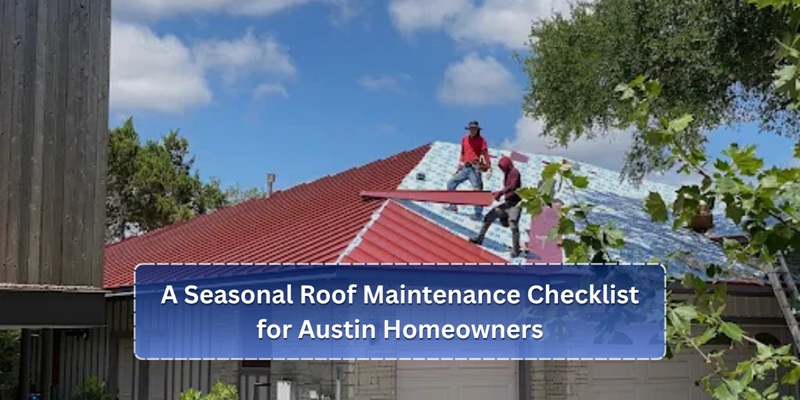
A Seasonal Roof Maintenance Checklist for Austin Homeowners
Austin homeowners know that the roof has to handle much more than everyday wear and tear. Intense summer heat, strong sunlight, heavy rain, hail, and sudden thunderstorms can all affect roofing materials throughout the year. That is why regular roof maintenance services can be an important part of protecting your home and catching minor issues before they become expensive repairs.
A seasonal maintenance routine does not mean climbing onto your roof every few months. Many basic checks can be completed safely from the ground, while a professional can evaluate areas that are difficult or unsafe to reach. Looking for visible damage, keeping gutters clear, trimming nearby branches, and checking the attic for signs of moisture can help you stay ahead of potential roofing problems.
What Should Austin Homeowners Check in the Spring?
Spring is a good time to assess your roof after the cooler months and before Austin’s intense summer heat arrives. Spring storms can also bring strong winds, heavy rainfall, and hail, so homeowners should pay attention to any changes in the roof’s appearance.
From the ground, look for missing, cracked, lifted, or curling shingles. You can use binoculars to get a closer look without climbing onto the roof. Also check for damaged flashing around vents, chimneys, skylights, and other roof penetrations.
Gutters and downspouts deserve attention as well. Leaves, pollen, small branches, and other debris can collect over time and prevent water from draining properly. Clean the gutters and make sure downspouts direct water away from your home’s foundation.
How Can You Prepare Your Roof for Austin’s Summer Heat?
Austin’s summer temperatures can place additional stress on roofing materials. Before the hottest part of the year, look for signs of aging such as cracked sealant, curling shingles, exposed areas, or excessive granules collecting in the gutters.
Attic ventilation is another area worth checking. Proper airflow can help manage heat and moisture inside the attic. If the attic feels unusually hot or you notice moisture, staining, or signs of condensation, consider having the ventilation and roofing system evaluated by a professional.
Tree maintenance is also important. Trim branches that hang close to the roof because they can scrape roofing materials during windy conditions or break and fall onto the roof during severe weather.
What Should You Check After Austin’s Summer Storms?
Storm-related roof damage is not always obvious. Strong winds and hail can leave behind small problems that may become more serious when the next round of rain arrives. After a significant storm, look around your property for missing shingles, fallen branches, damaged gutters, or roofing debris.
Inside your home, check ceilings and upper walls for new water stains. If you have access to the attic, look for damp insulation, staining, or other signs that water may have entered the roof system.
This is also a good point to consider professional roof inspections Austin TX homeowners can schedule after major weather events. A trained roofing professional can check areas that are difficult to evaluate from the ground and identify damage that may not be immediately visible to a homeowner.
How Should You Maintain Your Roof in the Fall?
Fall is a practical time to prepare your roof for cooler weather and future rain. Start by cleaning the gutters and downspouts after leaves begin accumulating. Make sure water can move freely away from the roof and foundation.
Look over the roofline for branches, debris, loose shingles, and visible deterioration. Pay particular attention to flashing around vents and other openings because these areas can become vulnerable points when roofing materials age.
If your roof has not been professionally evaluated recently, fall can also be a convenient time to arrange a maintenance visit. Addressing small concerns before winter weather arrives can help reduce the possibility of unexpected leaks.
Does Your Roof Need a Winter Check in Austin?
Austin winters are generally milder than those in colder parts of the country, but homeowners should still keep an eye on their roofs. Rain, strong winds, and occasional freezing temperatures can expose existing weaknesses.
Before winter arrives, make sure gutters remain clear and check for damage left behind by summer and fall storms. Inside the attic, look for moisture, staining, or daylight entering through areas where it should not be visible.
The goal of seasonal maintenance is not to perform major roof work every few months. Instead, it is about noticing changes early and dealing with problems before they have an opportunity to become more costly.
How Often Should Austin Homeowners Schedule Professional Roof Inspections?
A regular professional inspection can give homeowners a better understanding of their roof’s condition and help identify issues that are difficult to spot during a basic visual check. The ideal schedule can depend on the roof’s age, material, previous repairs, and exposure to severe weather.
Homeowners should also consider an inspection after significant hail, wind, or storm activity, particularly if there are visible changes to the roof or signs of water intrusion inside the home. An inspection can help determine whether the roof needs a minor repair, additional maintenance, or more extensive attention.
A consistent seasonal routine is ultimately about staying ahead of Austin’s unpredictable weather. Keeping gutters clear, trimming nearby branches, watching for visible damage, checking accessible attic areas, and scheduling professional evaluations when necessary can all help protect your home and extend the useful life of your roofing system.
FAQs
How often should I check my roof in Austin?
Homeowners can make basic visual checks throughout the year, particularly after severe weather. A professional inspection may also be appropriate depending on the roof’s age, condition, and exposure to storms.
What should I do if I see missing shingles after a storm?
Avoid climbing onto the roof yourself. Take photos from a safe location and contact a qualified roofing professional to assess the damage and determine whether repairs are needed.
Are clogged gutters a roofing problem?
They can be. Blocked gutters can interfere with proper water drainage and may allow water to collect around roof edges. Keeping gutters and downspouts clear is an important part of seasonal roof care.
Can I inspect my roof myself?
You can perform a basic visual inspection from the ground and check accessible areas of the attic. However, climbing onto a roof can be dangerous, so detailed inspections are better handled by a qualified professional.
When should I call a roofing professional?
Contact a professional if you notice active leaks, missing shingles, damaged flashing, sagging, significant storm damage, or signs of moisture inside the attic or home. Early attention can help prevent a small issue from becoming a larger repair.