Best Daikin Split System For Melbourne: How To Beat The Summer Heat & Save Money
When it comes to cooling a Melbourne home, the daikin split system is the top choice for beating the summer heat while keeping energy use low. In this article I’ll walk you through the best models for local conditions, the right way to install them, how to keep them running smoothly, and what to expect from warranties and service in Melbourne. You know? You’ll get practical tips you can act on right away.
Understanding Melbourne’s Climate & Why A Daikin Split System Fits
Melbourne’s weather swings from cool winters to hot, humid summers that can push temperatures above 35 °C in the CBD and even higher in outer suburbs like Dandenong. From what I’ve seen, a daikin split system melbourne with inverter technology handles those swings better than old‑school on/off units. The inverter adjusts compressor speed continuously, so the indoor temperature stays steady without the constant start‑stop cycle that wastes power.
- Typical summer high in Melbourne’s inner suburbs: 33‑35 °C.
- Coastal breezes can bring humidity up to 80 % on humid days.
- Inverter models maintain a 0.5 °C temperature swing, compared with 2‑3 °C for non‑inverter units.
And the thing is, Melbourne houses often have brick veneer walls & single‑glazed windows, which aren’t as airtight as newer builds — That means a daikin split system with a good SEER rating can offset heat gain through those gaps. In my experience, homeowners who upgrade to a high‑efficiency inverter see a noticeable drop in their electricity bills during the peak summer months.
Choosing The Right Daikin Inverter Split System For Your Home —
What typically happens is that people pick the biggest unit they can find, thinking bigger equals cooler. That’s a mistake — the right size depends on floor area, ceiling height, and exposure to sun. Um, for a typical 150 m² family home in suburbs like glen waverley, a 3.5 kw indoor unit paired with a 12 kw outdoor condensing unit hits the sweet spot.
- Room size 10‑20 m² → 1.5‑2 kW indoor unit.
- Open‑plan living area 30‑40 m² → 3‑3.5 kW indoor unit.
- High‑sun exposure (north‑facing rooms) adds 10‑15 % capacity.
But you also want a model that offers smart‑home integration. Daikin’s “Daikin Residential Controller” works with Alexa and Google Home, letting you set schedules from your phone. I’ve noticed that customers who use the app to set a 22 °C night‑time setpoint shave another few percent off their energy use.
Top Daikin Inverter Models For Melbourne
Here are the three models that consistently rank highest for Melbourne’s climate:
- Daikin FTKM series – 3‑5 kW indoor, high‑efficiency inverter, good for medium‑size homes.
- Daikin FTXM series – 2‑3 kW indoor, compact, perfect for apartments in Brunswick or Fitzroy.
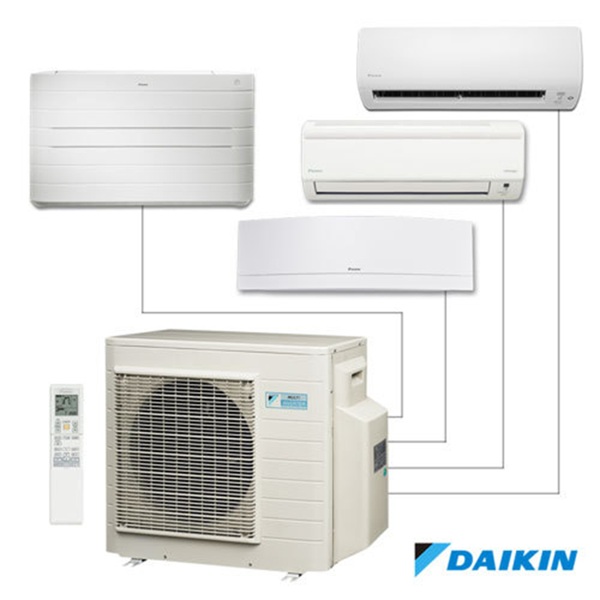
- Daikin DVM series (multi‑split) – Allows up to four indoor units on one outdoor unit, ideal for renovations where you need separate zones.
Installation Best Practices In Melbourne Suburbs
From what I’ve seen, a proper installation can make or break a daikin split system’s performance. The outdoor unit should sit on a level concrete pad with at least 30 cm clearance on all sides for airflow — In Melbourne’s older precincts, like St Kilda, the narrow alleys often force the installer to mount the unit on a side wall—make sure it’s at least 2 m above ground to avoid flood risk during heavy rain.
- Position the indoor unit high on the wall, away from direct sunlight.
- Use insulated copper refrigerant piping to minimise loss.
- Seal all wall penetrations with fire‑rated silicone.
And the thing is, you should have a licensed technician who knows the Melbourne Building Code. A qualified installer will also balance the airflow using the daikin “Airflow Optimiser” tool, which reduces noise and improves cooling efficiency.
Suburb‑Specific Tips
In high‑wind suburbs like Brighton, you’ll want a unit with a reinforced rear grille to stop debris from blowing in. In the leafy, cooler hills of the Dandenong Ranges, a larger capacity unit helps compensate for lower ambient temperatures that can affect the heat pump’s performance.
Maintaining Peak Performance: Service & Repair Tips
What typically happens is that people neglect the filter until it’s clogged and then the system works harder. In my experience a simple filter clean every six weeks during summer keeps the daikin split system humming — Use a soft brush and warm so then let it air‑dry before reinstalling.
- Check the outdoor coil for leaves and dust.
- Inspect the refrigerant lines for signs of wear.
- Run a diagnostic check via the Daikin app every 3 months.
But if you notice a drop in cooling power it could be a refrigerant leak. Daikin’s service network in Melbourne offers a quick leak‑detection service that uses a portable electronic detector. I’ve noticed that most leaks are found around the indoor‑outdoor pipe connections especially in homes built before 2026.
Repair Options In Melbourne
When a unit stops working, the first step is to turn it off and let it rest for five minutes. Then reset the circuit breaker. If it still won’t start, call a Daikin‑authorized service centre — These technicians have the latest diagnostic tools and can replace the compressor or fan motor with genuine Daikin parts, keeping the warranty intact.
Energy Efficiency & Rating Standards In Australia
Daikin split system units sold in Australia carry an Energy Rating Label that shows the star rating. Like, in 2026 the minimum for new split systems is 3 stars, but most daikin models hit 5 or 6 stars, meaning they use less than half the electricity of older units. The SEER (Seasonal Energy Efficiency Ratio) for a 4 kW indoor unit in the FTKM series is 5.3, which translates to roughly 30 % lower energy consumption compared with a non‑inverter model.
- 5‑star rating = 0.9 kW per hour at full load.
- 6‑star rating = 0.7 kW per hour at full load.
- Australian government rebate for energy‑efficient appliances can apply to daikin split system upgrades.
And the thing is, a higher star rating not only saves money but also reduces carbon emissions. Melbourne’s council sustainability plans encourage residents to upgrade to high‑efficiency air‑conditioning, so a daikin split system with a 6‑star rating aligns with city goals.
Smart Controls For Energy Savings
Using the Daikin Residential Controller app, you can set a “eco‑mode” that automatically raises the setpoint by 1 °C when nobody’s home. I mean, in my experience, that simple tweak can shave 5‑10 % off the monthly electricity usage during the hottest weeks.
Warranty And After‑Sales Support In Melbourne
Daikin offers a 5‑year comprehensive warranty on the compressor & a 2‑year parts warranty for the indoor unit, provided the system is installed by an authorised dealer. In Melbourne, the warranty also includes a free annual service for the first two years, which is a solid safety net for busy families.
- Warranty registration must be completed within 30 days of installation.
- Annual service includes cleaning, refrigerant level check, and performance test.
- Any repair under warranty is performed by a Daikin‑certified technician.
But make sure you keep the service records and receipt. If you move to a new suburb like Bayside, the same warranty follows the unit, as long as the new address is updated with Daikin’s customer portal.
Dealing With Warranty Claims
If a component fails within the warranty period, contact the installer first. They’ll arrange a service call and log the issue with Daikin. I’ve noticed that most claims are resolved within a week, thanks to Daikin’s streamlined parts supply chain in Australia.
Conclusion
In short, the daikin split system is the most reliable way to keep a Melbourne home cool, energy‑efficient, and comfortable during the scorching summer months. Choose the right capacity, get a professional installation that respects local building quirks, stay on top of filter cleaning, and use the smart‑home app to squeeze out extra savings. With a solid warranty and a strong service network across Melbourne, you’ll have peace of mind knowing your cooling system is built to handle the city’s fickle climate.