Identical vs. Fraternal Twins: Understanding the Key Differences
Twin births have long fascinated the world, but not all twins are biologically the same. Medically, twins are categorized as either identical (monozygotic) or fraternal (dizygotic), with significant differences in their genetic makeup, development, and occurrence rates. Understanding these distinctions is essential not only for parents and families but also for those interested in human biology and healthcare.
Formation: The Biological Difference
Identical Twins (Monozygotic Twins):
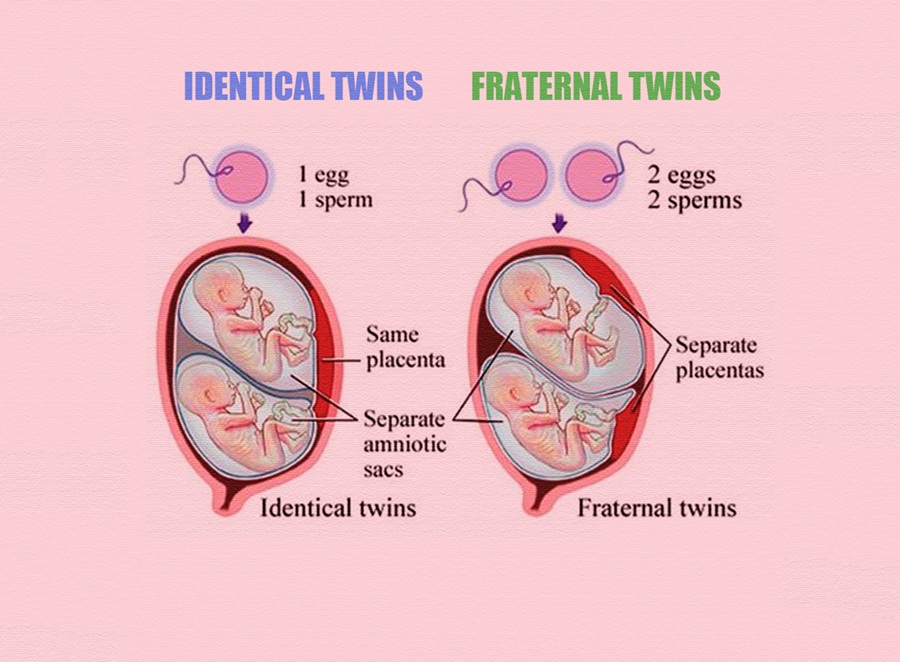
Identical twins develop from a single fertilized egg that splits into two embryos. This process occurs within the first few days after fertilization. Because they originate from the same egg and sperm, identical twins share nearly 100% of their genetic material.
Fraternal Twins (Dizygotic Twins):
Fraternal twins occur when two separate eggs are released during the same menstrual cycle and fertilized by two different sperm. These twins are genetically similar to regular siblings, sharing approximately 50% of their DNA.
Key Distinguishing Factors
| Aspect | Identical Twins (Monozygotic) | Fraternal Twins (Dizygotic) |
|---|---|---|
| Origin | One egg splits into two | Two separate eggs fertilized |
| Genetic Similarity | Nearly identical (close to 100%) | About 50%, like typical siblings |
| Sex | Always same (with rare exceptions) | Can be same or different |
| Physical Appearance | Usually very similar | Can be similar or different |
| Placenta | Shared or separate, depends on timing of split | Always separate |
| Occurrence Rate | Less common | More common, especially with certain factors |
Global Occurrence and Trends
Twin births have been steadily increasing worldwide over recent decades, largely due to assisted reproductive technologies (ART) such as IVF (In Vitro Fertilization) and other fertility treatments. Most of this rise is attributed to fraternal twins.
A study published in Human Reproduction in 2021 found that twin birth rates globally are at an all-time high, with approximately 1 in every 42 births resulting in twins. However, identical twin rates have remained relatively stable worldwide, as their occurrence is considered random and unrelated to family history, age, or medical intervention.
Genetic Factors and Family History
Fraternal Twins:
The likelihood of having fraternal twins can run in families, particularly on the mother’s side. Women who ovulate multiple eggs in a cycle, a trait that can be hereditary, have an increased chance of conceiving fraternal twins.
Identical Twins:
There is no scientifically confirmed genetic link increasing the likelihood of having identical twins. Their occurrence appears to be random, with no connection to family history or external factors such as diet or lifestyle.
Medical Considerations
Twin pregnancies carry higher medical risks compared to singleton pregnancies, but the degree of risk varies between identical and fraternal twins.
Identical twins, especially those who share a placenta, are at increased risk of:
- Twin-to-Twin Transfusion Syndrome (TTTS): A condition where blood supply is unevenly shared.
- Growth Discordance: One twin may grow significantly larger than the other.
- Preterm Birth: Higher likelihood of delivery before 37 weeks.
Fraternal twins also face risks such as premature birth and low birth weight but are less likely to experience conditions linked to shared placentas.
Regular monitoring and specialized prenatal care are crucial for all twin pregnancies to manage these risks effectively.
Common Myths and Clarifications
- Fingerprints: Identical twins do not have identical fingerprints. Fingerprints are shaped by environmental factors in the womb, making them unique.
- Appearance of Fraternal Twins: Fraternal twins can sometimes look very similar, leading to mistaken assumptions they are identical. Genetic testing is the only reliable method for confirmation.
- Influence of IVF: Assisted reproductive technologies often result in fraternal twins due to the transfer of multiple embryos. Identical twins can also occur during IVF, though less commonly.
Recent Scientific Insights
A 2021 genetic study published in Nature Genetics revealed that even identical twins can exhibit slight genetic variations known as “post-zygotic mutations,” arising shortly after the fertilized egg splits. While these differences are minimal, they contribute to understanding why some identical twins develop distinct health profiles or minor physical differences.
Additionally, twin studies remain a vital tool for medical research, helping scientists differentiate between genetic and environmental influences in areas such as cancer, mental health, and developmental disorders.
Conclusion
While twins share a unique bond, their biological origins can differ significantly. Identical twins result from a single fertilized egg splitting, leading to nearly identical genetics, while fraternal twins develop from two separate eggs, making them genetically similar to regular siblings.
The distinction is not just academic; it has real-world implications for prenatal care, medical risks, and even scientific research. As twin births continue to rise globally, understanding these differences becomes increasingly relevant to families, healthcare providers, and researchers alike.