How To Choose The Right Concrete Grinder For Your Needs
Ever stood in a tool hire shop, staring at a wall of concrete grinders, wondering which one won’t leave you with buyer’s remorse? Have you asked yourself whether that massive walk-behind beast is overkill for your garage floor, or if that handheld unit will have you grinding away until next Christmas? You’re definitely not alone in this predicament.
Choosing the right concrete grinder hire can feel overwhelming, especially when you’re faced with countless options, technical specifications, and price points that range from a few hundred dollars to several thousand. Whether you’re a seasoned tradie tackling commercial projects or a weekend warrior sprucing up your home, getting this decision right makes all the difference between a smooth finish and a frustrating experience.
In this guide, we’ll walk you through everything you need to know about selecting the perfect concrete grinder hire for your specific needs. From understanding how these machines work to figuring out the ideal size for your project, we’ve got you covered. Plus, we’ll tackle the age-old question of whether to hire or buy and share some top tips for using your grinder safely and effectively.
What Is A Concrete Grinder And How Does It Work?
Understanding The Basics Of Concrete Grinding
At its core, a concrete grinder hire is a power tool designed to smooth, level, and polish concrete surfaces. Think of it as industrial-strength sandpaper on steroids. The machine uses rotating discs fitted with abrasive segments—typically diamond-tipped—to grind away the top layer of concrete, removing imperfections, coatings, or adhesives.
The grinding process works by applying downward pressure while the discs spin at high speeds. This friction gradually wears away the concrete surface, creating either a smooth finish or preparing it for coatings like epoxy. It’s a straightforward concept, but the execution requires the right equipment for your specific job.
Key Components Of A Concrete Grinder Hire
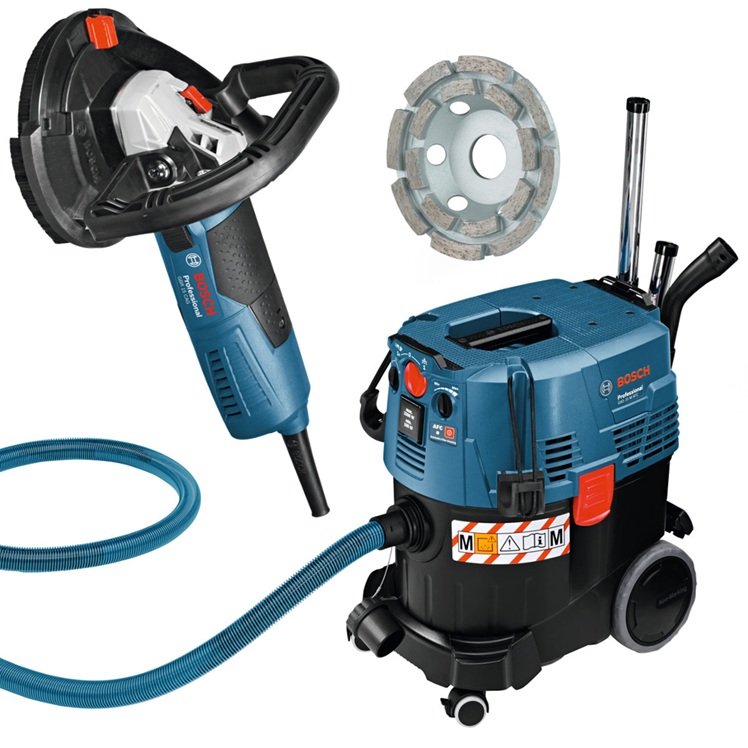
Every concrete grinder hire shares some essential components. The motor powers the grinding head, which holds the diamond tooling. A dust shroud typically surrounds the grinding area, connecting to a vacuum system for dust extraction. Walk-behind models feature handles and wheels for manoeuvrability, while handheld versions offer more precision for smaller areas.
Understanding these components helps you evaluate different models. A more powerful motor handles tough coatings better, while superior dust extraction keeps your workspace cleaner and safer. Keep these elements in mind as we explore your options further.
What Is The Best Concrete Grinder?
Factors That Define the “Best” Grinder for Your Project
Here’s the thing—there’s no single “best” concrete grinder. What works brilliantly for a warehouse renovation might be completely impractical for touching up your patio. The best grinder for you depends on several factors: the size of your work area, the condition of your concrete, and what finish you’re after.
Consider what you’re actually trying to achieve. Removing thick paint or glue requires different tooling and power than polishing an already smooth surface. Your budget also plays a role, naturally. Sometimes the “best” grinder is simply the one that does the job without breaking the bank.
Professional-Grade vs DIY Concrete Grinders
Professional-grade grinders offer more power, durability, and features—but they come with a heftier price tag. These machines are built for daily use and can handle the toughest jobs. DIY models, on the other hand, are more affordable and user-friendly, perfect for occasional home projects.
If you’re only grinding once or twice a year, investing in professional equipment probably isn’t necessary. However, if you’re planning multiple projects or running a business, that extra investment pays off in efficiency and longevity.
Types of Concrete Grinders Explained
Handheld Concrete Grinders
Handheld grinders—sometimes called angle grinders—are your go-to for edges, stairs, and tight spaces. They’re lightweight, affordable, and incredibly versatile. You can pick one up for under $200, making them accessible for most budgets.
These machines excel at detail work and small repairs. However, they’re not practical for large floor areas. Your arms would give out long before you finished even a small room. Use them for touch-ups and hard-to-reach spots.
Walk Behind Concrete Grinders
Walk-behind grinders are the workhorses of concrete preparation. They cover large areas quickly and efficiently, reducing physical strain compared to handheld models. These machines range from compact single-head units to massive multi-head industrial grinders.
For most residential and medium commercial projects, a single or dual-head walk-behind grinder does the trick. They’re easier to control than you might expect and deliver consistent results across flat surfaces.
Planetary vs Rotary Grinders: What’s The Difference?
Planetary grinders feature multiple heads that rotate around a central axis—similar to how planets orbit the sun. This design creates a more even grinding pattern and typically produces smoother finishes. They’re ideal for polishing and levelling work.
Rotary grinders use a single rotating head, making them simpler in design and often more affordable. They work well for aggressive material removal and coating preparation. Choose planetary for polish, rotary for prep work.
What Size Concrete Grinder Do I Need?
Matching Grinder Size To Your Project Scope
Grinder sizes typically range from 175mm (7 inches) for handheld models to over 800mm (32 inches) for industrial walk-behind units. The size you need directly relates to your project’s square meterage and the finish required.
A general rule of thumb: larger grinders cover more ground faster but are harder to manoeuvre around obstacles. Smaller grinders offer precision but take longer on big jobs. Balance speed against accessibility when making your choice.
Small Residential Jobs vs Large Commercial Projects
For a typical garage or small patio (under 50 square metres), a 250mm single-head grinder works perfectly. You’ll finish in a reasonable timeframe without excessive equipment costs. Many tool hire shops in Australia stock these sizes for weekend warriors.
Commercial projects or areas over 100 square metres call for larger machines—think 500mm or above. These grinders dramatically reduce completion time, which matters when you’re paying labour costs or working to tight deadlines.
Can I Use A Concrete Grinder On Timber Or Other Surfaces?
Short answer: not really. Concrete grinders are specifically designed for masite surfaces. Using them on timber would likely damage both the wood and your tooling. The diamond segments that work brilliantly on concrete would tear timber apart unpredictably.
For timber floors, look at dedicated floor sanders instead. Some grinders can handle terrazzo, stone, and other hard surfaces, but always check the manufacturer’s recommendations first. Using equipment on unsuitable materials voids warranties and creates safety hazards.
Top Tips For Using A Concrete Grinder Hire Safely And Effectively
Always wear appropriate PPE: safety glasses, hearing protection, dust mask (P2 minimum), and sturdy footwear. Work systematically in overlapping passes for even results. Keep the machine moving—stopping in one spot creates divots.
Start with coarser grits and progress to finer ones for polished finishes. Test your technique in an inconspicuous area first. And never skip dust extraction—seriously, your health depends on it.
Finding Your Perfect Concrete Grinder Match
Choosing the right concrete grinder hire ultimately comes down to understanding your specific needs. Consider your project size, desired finish, budget, and how often you’ll use the equipment. There’s no one-size-fits-all solution, but armed with this knowledge, you can make an informed decision.
For most Aussie homeowners tackling occasional projects, hiring a quality walk-behind grinder makes the most sense financially. Tradies and frequent users, however, benefit from owning equipment that’s always ready when needed. Whichever path you choose, prioritise safety features and dust extraction.
Ready to get grinding? Take your time evaluating options, don’t be afraid to ask questions at your local tool shop, and remember—the right grinder makes the job enjoyable rather than exhausting. Your perfect concrete finish is just a well-chosen grinder away. Good luck with your project!