The Ultimate Guide to Choosing the Right Glass Replacement
Have you ever noticed a tiny crack in your window and wondered if it’s worth worrying about? Maybe you’ve spotted condensation between your double-glazed panes and thought, “Is that normal?” Or perhaps those chilly drafts sneaking through your windows are driving up your energy bills? You’re not alone in asking these questions.
Glass replacement might not be the most exciting home improvement topic, but it’s one that affects your comfort, safety, and wallet more than you’d think. Whether you’re dealing with a broken window after a storm, upgrading your home’s energy efficiency, or simply replacing old, worn-out glass, making the right choice matters. The wrong decision could cost you more money in the long run or leave your property vulnerable.
In this guide, we’ll walk you through everything you need to know about glass replacement croydon. From understanding your options and spotting the signs that replacement is needed, to figuring out costs and choosing the right company for the job. By the end, you’ll feel confident about making the best decision for your property. Let’s get stuck into it.
Understanding Your Glass Replacement Options
Types of Glass for Residential Properties
When it comes to residential glass replacement, you’ve got more options than you might realise. Standard float glass is the most basic choice, commonly found in older homes. It’s affordable but offers minimal insulation and safety features.
Toughened glass, also known as tempered glass, is up to five times stronger than regular glass. It’s ideal for areas where safety is a concern, like bathroom windows or glass doors. If it breaks, it shatters into small, relatively harmless pieces rather than dangerous shards.
Laminated glass takes safety a step further. It holds together when broken thanks to an interlayer, making it perfect for skylights and ground-floor windows where security matters.
Commercial Glass Replacement Solutions
Commercial properties have different requirements altogether. Shopfronts often need large, clear panes that showcase products while providing security. Many businesses opt for toughened or laminated glass to meet Australian safety standards.
Office buildings frequently use tinted or reflective glass to reduce glare and heat. Plus, acoustic glass is increasingly popular in busy commercial areas where noise reduction improves the working environment.
Single Glazed vs Double Glazed: Which Is Right for You?
Single glazing is exactly what it sounds like—one pane of glass. It’s cheaper upfront but offers poor insulation. Double glazing features two panes with a gap filled with air or argon gas, dramatically improving thermal and acoustic performance.
For most Australian homes, double glazing is the smarter long-term investment. It keeps your home cooler in summer and warmer in winter, reducing energy costs significantly.
Signs You Need Glass Replacement
Visible Cracks, Chips, and Damage
This one’s obvious, but worth mentioning. Any visible damage to your glass compromises both safety and insulation. Even small chips can spread into larger cracks, especially with temperature changes.
Don’t ignore what seems like minor damage. A tiny crack today could become a shattered window tomorrow. Getting it checked early often saves money and hassle.
Foggy or Condensation Between Panes
Seeing moisture or fogginess between your double-glazed panes? That’s a clear sign the seal has failed. When this happens, the insulating gas escapes and your windows lose their energy-efficient properties.
Unfortunately, there’s no quick fix for failed seals. The glass unit needs replacing to restore proper function.
Drafts and Energy Efficiency Problems
Feeling cold air near your windows even when they’re closed? Your glass or seals might be failing. This not only makes your home uncomfortable but also forces your heating and cooling systems to work harder.
How Do I Know If My Window Glass Needs Replacing?
Beyond the obvious signs, watch for difficulty opening or closing windows, rattling in the wind, or noticeable temperature differences near windows. If your energy bills have crept up without explanation, your windows could be the culprit.
How Much Does Glass Replacement Cost?
Factors That Affect Glass Replacement Pricing
Several factors influence what you’ll pay for glass replacement. Size is the most obvious—larger panes cost more. The type of glass matters too; toughened or laminated glass costs more than standard float glass.

Location plays a role as well. Hard-to-reach windows require more labour. Plus, urgency affects pricing. Emergency call-outs typically come with premium charges.
Is It Cheaper to Replace Glass or the Whole Window?
In many cases, replacing just the glass is significantly cheaper than replacing the entire window frame. If your frames are in good condition, glass-only replacement makes financial sense.
However, if your frames are rotting, warped, or severely damaged, replacing the whole unit is the better investment. A glazier can assess this during a quote.
Getting Accurate Quotes: What to Ask
Always get multiple quotes and ask for itemised breakdowns. Check whether the quote includes removal and disposal of old glass. Ask about warranties on both materials and workmanship.
Don’t be shy about asking for references or examples of similar work they’ve completed.
Choosing the Right Glass for Your Needs
Safety Glass and Toughened Glass Explained
Australian standards require safety glass in certain locations, including bathrooms, near doorways, and at low heights where impact is likely. Toughened glass meets these requirements and is the go-to choice for most safety applications.
Energy-Efficient Glass Options
Low-E (low emissivity) glass features a special coating that reflects heat while allowing light through. It’s excellent for reducing energy costs and is often combined with double glazing for maximum efficiency.
Noise-Reducing and Acoustic Glass
Living near a busy road or flight path? Acoustic glass uses varying thicknesses and special laminated layers to reduce noise transmission. It can make a remarkable difference to your quality of life.
What Type of Glass Is Best for Windows?
There’s no one-size-fits-all answer. The best glass depends on your priorities—whether that’s safety, energy efficiency, noise reduction, or budget. A reputable glazier can recommend the right combination for your situation.
Can You Replace Just the Glass in a Window?
When Glass-Only Replacement Works
Glass-only replacement works brilliantly when your frames are structurally sound. This is often the case with timber, aluminium, or uPVC frames that are relatively new or well-maintained.
It’s faster, cheaper, and less disruptive than full window replacement. For many homeowners, it’s the ideal solution.
When Full Window Replacement Is Better
If your frames show signs of rot, warping, or significant wear, replacing just the glass is a short-term fix at best. Damaged frames compromise the seal and insulation, meaning you’ll likely face ongoing problems.
Full replacement also makes sense when upgrading from single to double glazing, as existing frames often can’t accommodate the thicker glass units.
How to Choose a Reliable Glass Replacement Company
Questions to Ask Before Hiring
Ask about their experience with your specific type of glass or window. Enquire about timelines and whether they handle the full job or subcontract any work. Check if they offer warranties and what these cover.
Certifications and Insurance to Look For
Make sure your chosen glazier holds appropriate licences for your state. Public liability insurance is essential—it protects you if something goes wrong during installation. Ask for proof of both before work begins.
Red Flags to Avoid
Be wary of quotes that seem too good to be true—they usually are. Avoid companies that pressure you into immediate decisions or request large upfront payments. Lack of written quotes or contracts is another warning sign.
The Glass Replacement Process: What to Expect
How Long Does Glass Replacement Take?
Standard glass replacement typically takes just a few hours. More complex jobs involving multiple windows or custom glass might take a day or two. Your glazier should provide a clear timeline during the quoting process.
DIY vs Professional Installation
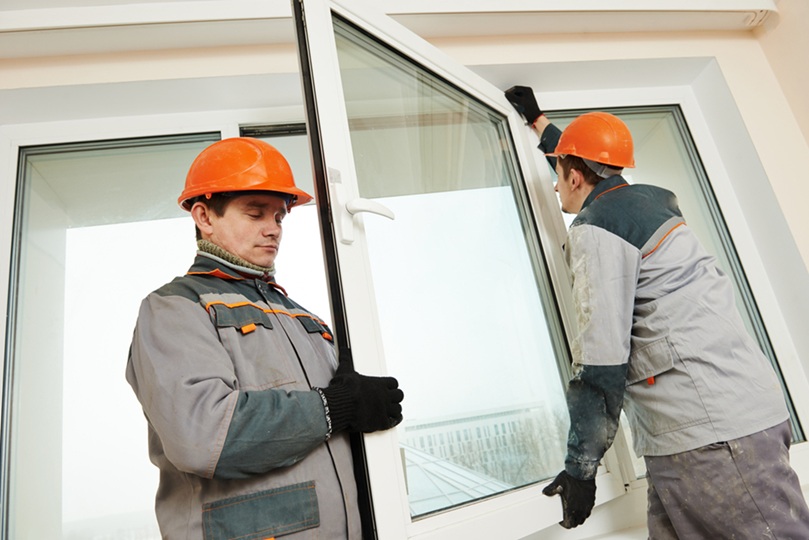
While replacing a simple pane might seem like a DIY project, it’s generally best left to professionals. They have the right tools, experience, and knowledge of safety requirements. Getting it wrong can result in injury or further damage—and often costs more to fix.
Making the Right Decision for Your Property
Choosing the right glass replacement isn’t as complicated as it might first seem. By understanding your options, recognising when replacement is needed, and knowing what questions to ask, you’re already ahead of the game.
The key takeaways? Don’t ignore warning signs like cracks, condensation, or drafts. Consider your priorities—whether that’s safety, energy efficiency, or noise reduction—when selecting glass type. And always choose a reputable, properly licensed glazier.
Your windows are more than just glass and frames. They’re part of what makes your house comfortable, secure, and energy-efficient. Take the time to make the right choice, and you’ll enjoy the benefits for years to come. If you’re unsure where to start, reach out to a local glazier for an assessment. They can point you in the right direction and help you find the perfect solution for your property.